
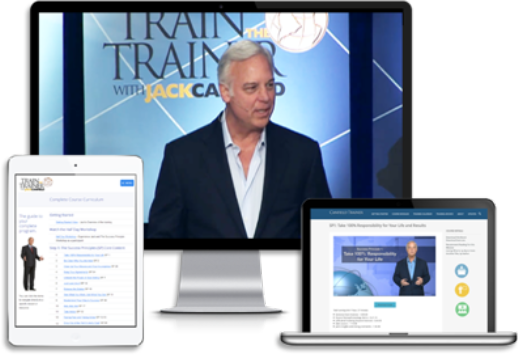


Jack Canfield – Train The Trainer Online
The modern education industry continues to grow rapidly as organizations, entrepreneurs, coaches, and consultants seek effective ways to share knowledge and create meaningful impact. Among the recognized programs in professional development, Jack Canfield – Train The Trainer Online has become a popular choice for individuals who want to master training techniques, public speaking, coaching methods, and transformational teaching skills.
Designed to help aspiring trainers, coaches, speakers, and educators, this program provides practical frameworks that support both personal growth and professional success. Whether someone wants to conduct workshops, build an online training business, or improve presentation skills, this training offers valuable strategies and proven systems.
In this detailed guide, we explore the program structure, benefits, learning outcomes, target audience, and the overall value it provides to future trainers.
Who Is Jack Canfield?
Jack Canfield is internationally recognized as a motivational speaker, success coach, educator, and bestselling author. He has inspired millions of individuals through his teachings on personal development, achievement, confidence, and success principles.
His educational methods focus on:
- Goal setting
- Personal transformation
- Leadership development
- Communication skills
- Success strategies
- Coaching frameworks
- Teaching methodologies
His training programs have influenced coaches, business leaders, educators, and entrepreneurs across the world.
What Is Train The Trainer Online?
Train The Trainer Online is a professional development program designed to help individuals become effective educators, coaches, facilitators, and speakers.
The course focuses on:
- Delivering engaging presentations
- Structuring educational content
- Facilitating workshops
- Managing group participation
- Building confidence on stage
- Developing coaching abilities
- Creating transformational learning experiences
Participants learn how to communicate information clearly while keeping audiences engaged and motivated.
Why Professional Training Skills Matter
The ability to teach effectively has become increasingly valuable in today’s digital economy. Businesses need trainers, organizations require facilitators, and entrepreneurs depend on educational content to grow their brands.
Professional training skills help individuals:
- Build authority within their industry
- Increase speaking confidence
- Improve communication abilities
- Develop leadership skills
- Create online courses
- Conduct workshops and seminars
- Establish coaching businesses
Effective trainers do more than share information. They inspire action, create engagement, and help others achieve results.
Core Principles Behind the Program
One of the strongest aspects of the training is its focus on transformational learning rather than simple information delivery.
The core principles include:
Audience-Centered Teaching
Successful trainers understand their audience’s needs, goals, and challenges before delivering content.
Interactive Learning
Engagement techniques help participants retain information and apply concepts immediately.
Storytelling Methods
Stories create emotional connections and make lessons memorable.
Experiential Training
Learning through participation allows students to gain practical experience.
Personal Growth
The program encourages trainers to continue improving themselves while helping others.
What You Learn Inside the Program
The curriculum covers multiple areas of professional training and coaching.
1. Presentation Skills
Participants learn how to:
- Speak confidently
- Manage nervousness
- Maintain audience attention
- Deliver clear messages
- Use body language effectively
Strong presentation skills form the foundation of successful training.
2. Workshop Design
Creating structured learning experiences is essential.
Topics may include:
- Learning objectives
- Session planning
- Content organization
- Activity development
- Participant engagement
Well-designed workshops improve retention and results.
3. Facilitation Techniques
Facilitation skills help trainers guide discussions and encourage participation.
This includes:
- Asking powerful questions
- Managing group discussions
- Handling difficult participants
- Encouraging interaction
- Maintaining energy levels
4. Coaching Strategies
Modern trainers often combine education with coaching techniques.
These strategies help participants:
- Set goals
- Overcome obstacles
- Develop accountability
- Improve performance
- Achieve measurable results
5. Online Training Delivery
Digital learning continues to expand globally.
Participants may learn:
- Virtual presentation skills
- Online engagement methods
- Webinar delivery
- Remote facilitation
- Digital learning tools
Benefits of Becoming a Certified Trainer
Professional training skills create numerous opportunities.
Career Advancement
Organizations value employees who can educate and lead teams effectively.
Business Opportunities
Independent trainers can build consulting or coaching businesses.
Increased Authority
Teaching positions individuals as experts within their industries.
Higher Income Potential
Experienced trainers often earn through:
- Workshops
- Coaching programs
- Corporate training
- Speaking engagements
- Online courses
Personal Confidence
Public speaking and teaching improve confidence and communication abilities.
Who Should Join This Program?
This training may benefit:
Coaches
Coaches can improve client communication and transformational skills.
Consultants
Consultants can deliver better presentations and workshops.
Entrepreneurs
Business owners can educate customers and build authority.
Corporate Trainers
Human resource professionals and trainers can improve employee development programs.
Speakers
Public speakers can strengthen audience engagement.
Educators
Teachers and instructors can learn modern training techniques.
The Importance of Engagement in Training
Many presentations fail because audiences lose interest. Effective trainers use various engagement methods to maintain attention.
Common techniques include:
- Group discussions
- Interactive exercises
- Real-life examples
- Case studies
- Storytelling
- Reflection activities
- Question-and-answer sessions
Engagement increases both learning and retention.
Building a Training Business
Many participants use their training skills to establish independent businesses.
Possible business models include:
Corporate Training
Providing workshops for organizations.
Coaching Services
Offering one-on-one guidance.
Online Courses
Creating digital educational programs.
Group Programs
Running mastermind groups and coaching sessions.
Public Speaking
Delivering keynote presentations and seminars.
Diversifying income sources allows trainers to build sustainable careers.
Communication Skills for Trainers
Communication remains one of the most valuable skills in training.
Strong communicators:
- Speak clearly
- Listen actively
- Ask meaningful questions
- Provide constructive feedback
- Inspire confidence
These abilities help trainers create stronger relationships with participants.
Leadership Through Teaching
Teaching naturally develops leadership abilities.
Trainers often become:
- Mentors
- Coaches
- Facilitators
- Team leaders
- Industry experts
Leadership skills gained through training programs can improve both personal and professional success.
Common Challenges New Trainers Face
Many beginners experience challenges such as:
Fear of Public Speaking
Practice and preparation help reduce anxiety.
Lack of Confidence
Experience builds confidence over time.
Audience Management
Learning facilitation techniques improves control.
Content Organization
Structured planning creates effective presentations.
Technology Concerns
Modern trainers must understand digital tools and platforms.
Proper training helps overcome these obstacles.
Online Learning Advantages
Digital education offers several benefits:
- Flexible schedules
- Remote accessibility
- Self-paced learning
- Global networking opportunities
- Reduced travel costs
- Easy access to resources
Online programs allow professionals to continue learning while managing their existing responsibilities.
Long-Term Value of Training Skills
Training skills remain valuable across many industries.
These abilities support careers in:
- Education
- Business consulting
- Leadership development
- Human resources
- Coaching
- Sales
- Entrepreneurship
As organizations continue investing in employee development and education, skilled trainers remain in demand.
Final Thoughts
Jack Canfield – Train The Trainer Online provides valuable insights for individuals who want to become effective educators, speakers, coaches, and facilitators. The program emphasizes communication, engagement, leadership, and transformational teaching methods that can help participants create meaningful learning experiences.
Whether someone wants to teach workshops, build a coaching practice, deliver corporate training, or improve public speaking abilities, the principles taught in this training can support long-term professional growth.
By combining teaching skills, leadership development, and communication strategies, aspiring trainers can build confidence, create impact, and establish successful careers in the growing education and coaching industries.
